Best 100Ah Lithium Battery for Home Backup Power in Nigeria
If NEPA has you shopping for a lithium battery, a 100Ah unit is the most common starting size for home backup in Nigeria. It is enough to run lights, fans, a fridge, TV, and a router through a normal outage, without the price tag of a full 200Ah or 48V rack system. This guide compares the batteries actually worth buying at this size, tells you what to check before you pay, and gives you a straight recommendation.
What “100Ah” Actually Means for Your System
Capacity alone does not tell you how much power a battery stores. That depends on voltage too. Most 100Ah batteries sold for home backup in Nigeria are 12.8V units, which store about 1.28kWh. But 100Ah also shows up on 48V (technically 51.2V) rack batteries, which store roughly 5.12kWh, four times as much energy at the same Ah rating.
This matters because the two are not interchangeable. A single 12V 100Ah battery suits a small inverter setup running a few rooms. A 48V 100Ah battery is built for a whole-house hybrid inverter system and costs several times more. If your inverter is 12V or 24V, stick with 12V 100Ah units and add batteries in parallel or series as your load grows. If you are speccing a hybrid inverter for the whole house, you want the 48V version, and that is a different buying decision than this guide covers.
What to Check Before You Buy
- Continuous discharge current versus your inverter size. A 100A-rated battery can feed a 1.2 to 1.5kVA inverter comfortably. Push a bigger inverter off one battery and the BMS will cut out under load. If you run a 3kVA or larger inverter, plan on two or more batteries in parallel from day one.
- Cycle life at a realistic depth of discharge. Manufacturers quote cycle counts at specific depth-of-discharge levels, and those numbers vary a lot by brand. Ask what depth of discharge the quoted cycle count assumes, not just the headline number.
- BMS communication. Bluetooth or app monitoring lets you see state of charge and cell balance without opening the case. Not essential, but useful for catching problems early.
- IP rating and mounting. Home backup batteries usually sit indoors, so a basic IP20 rating is fine. If yours will sit somewhere damp or exposed, look for IP65 or better.
- Authenticity. Lithium batteries are among the most counterfeited items in the Nigerian solar market. Buy from an authorised dealer, check the serial number where the brand allows it, and be suspicious of prices that sit well below the rest of the market for the same capacity.
Comparing the Top 100Ah Options
These three come up most often for Nigerian home backup at the 12V, 100Ah size. Specs below are what each manufacturer or authorised listing publishes; anything not independently confirmed is marked as such.
| Spec | Pylontech RT12100G31 | Deye WD-G12100 | Felicity FLA12100 |
| Voltage / capacity | 12.8V, 100Ah | 12.8V, 100Ah | 12.8V, 100Ah |
| Energy | 1,280Wh | 1,280Wh | 1,280Wh |
| Cycle life | 4,500+ cycles | 6,000+ cycles | Not independently published |
| Continuous discharge | 100A (1C) | Not published for this model | 100A (1C) |
| Communication | Bluetooth, CAN, RS485 | Built-in BMS; series/parallel expansion | Bluetooth or RS485 (optional) |
| Weight | ~12kg | ~13kg | Not independently confirmed |
| Warranty | Check with dealer | 5 years (manufacturer) | Check with dealer |
| Best for | Victron-based systems, boat/RV crossover use | Straightforward home backup, room to scale to 51.2V | Budget-conscious buyers who verify authenticity first |
The Verdict
Best overall: Deye WD-G12100
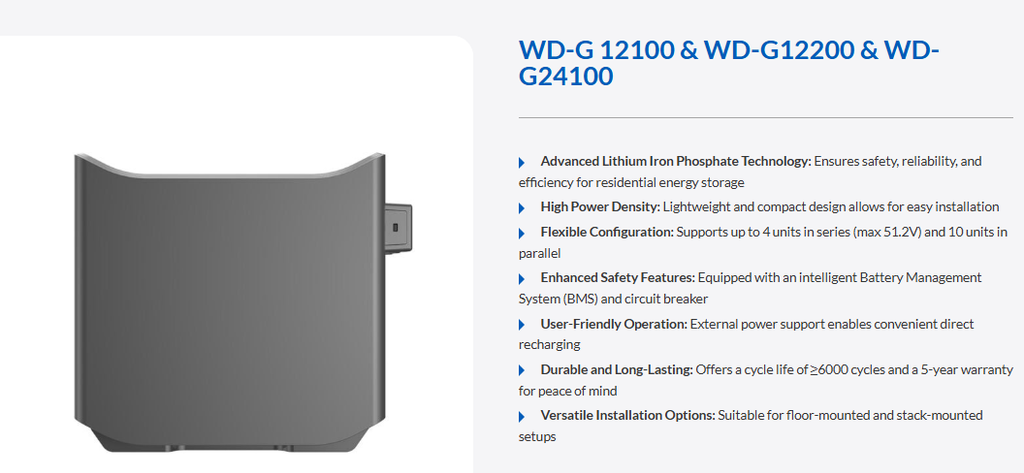
Deye backs this battery with a published 5-year warranty and a cycle life rating of 6,000-plus cycles, which beats most competitors at this size. It also stacks cleanly to 51.2V if you outgrow a single-battery 12V setup later, so it is a reasonable long-term buy even if you start small. Deye’s brand recognition in Nigeria helps with resale and parts availability too.
Best for Victron-based systems: Pylontech RT12100G31
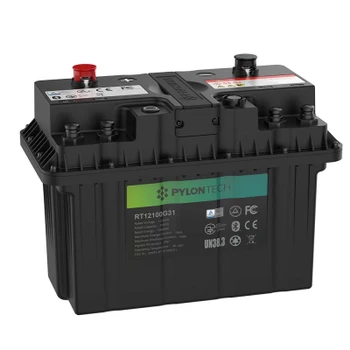
If your inverter or charge controller is already Victron, the Pylontech RT12100G31 talks to it natively over CAN or RS485, and Pylontech has a strong track record for BMS reliability. The IP67 rating also makes it a safer pick if your battery compartment gets any moisture.
Best budget pick: verified Felicity FLA12100
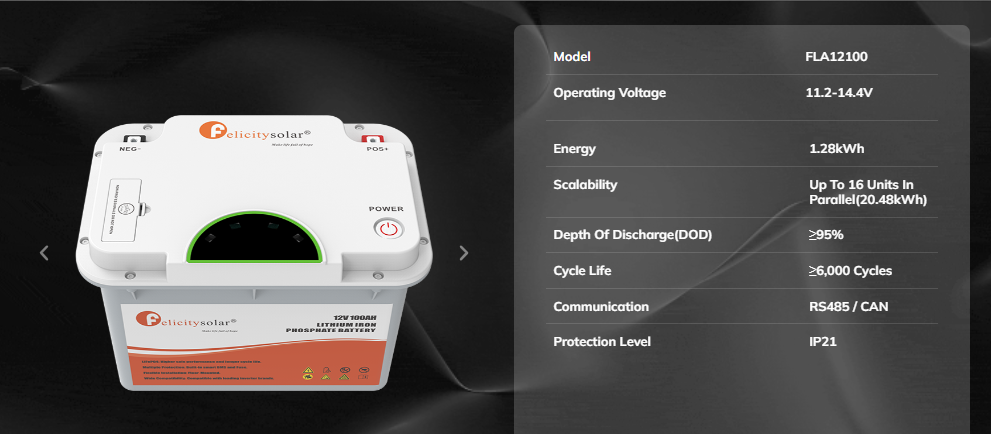
Felicity batteries are widely available and generally cheaper than Deye or Pylontech at the same capacity. The catch: the FL Lite 100 model specifically has a known counterfeit problem in Nigeria, with fake units using lower-grade cells that can fail within a year. Buy only from an authorised Felicity Nigeria dealer and confirm the serial number before paying. If you cannot verify authenticity, this is not the battery to save money on.
Also Read: How to Calculate the Battery Capacity for Portable Power Station
Skip this if you run a large inverter off one battery
None of these three are rated past 100A continuous discharge. If you are running a 3kVA or bigger inverter and expect to pull it from a single battery, you will trip the BMS repeatedly. Either plan for two or more batteries in parallel, or move up to a 24V or 48V system sized for your actual load.
Nigerian Pricing: What to Expect
Pricing for 100Ah lithium batteries in Nigeria moves with the naira and import costs, so treat any figure here as a snapshot, not a fixed price. As of early 2026, general market listings put standard 100Ah batteries (mixed chemistries) in the ₦380,000 to ₦670,000 range, with branded LiFePO4 units like Deye and Pylontech typically sitting toward the higher end of that band and unbranded imports at the lower end. Confirm current pricing with a dealer before budgeting; do not treat any number in this article as today’s price.
Frequently Asked Questions
Is a 100Ah lithium battery enough to power a Nigerian home through NEPA outages?
For lights, fans, a fridge, TV, and a router, yes, for several hours per outage. For air conditioning or a pumping machine, you will need more capacity or a dedicated setup sized for that load.
How long does a 100Ah lithium battery last?
With proper charging and a mid-range cycle life rating (4,500 to 6,000 cycles), expect 8 to 12 years of daily use before capacity drops enough to matter, longer if you avoid deep discharges below 20 percent.
Can I mix brands when adding a second 100Ah battery?
Manufacturers generally advise against it. Different BMS designs balance and communicate differently, and mixing brands in parallel can cause uneven charging. Stick to one brand and model per bank.
A Note on Safety Standards
Stationary lithium batteries used for home and UPS backup fall under IEC 62619, the international safety standard covering battery management system design and thermal protection for this category. In Nigeria, the Rural Electrification Agency’s harmonised technical standards reference IEC standards alongside NEMSA and SON requirements for solar energy storage components. None of this changes which battery to buy, but it is worth asking a dealer whether a product carries recognised certification, especially given how common counterfeit lithium batteries are in this market.
For more on how we handle product recommendations on this site, see our affiliate disclosure. If you need help sourcing a specific battery or matching one to your inverter, contact us and we can point you in the right direction. Browse our full buying guide library for more comparisons like this one.